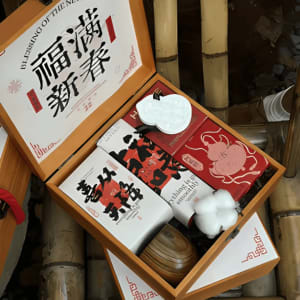
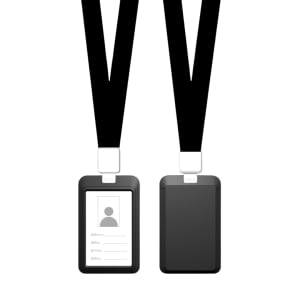
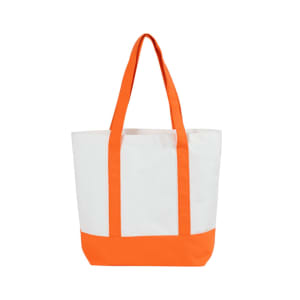
Corporate gift etiquette in Singapore helps businesses show appreciation while preserving trust. A thoughtful gift can thank a client, recognise a team or mark a milestone. The right choice depends on the recipient, occasion and workplace rules.
At Pristine Gifts, we believe effective gifting starts with good judgement, not a high price tag. Our corporate gifts in Singapore include practical, customisable options for business occasions. Use these dos and don'ts to plan respectful, appropriate gifts.
What Does Corporate Gift Etiquette Mean in Singapore?
Corporate gift etiquette is the set of professional courtesies that guide how a business gives and receives gifts. It covers value, timing, presentation, purpose and workplace policy.
Singapore is a diverse business environment. People have different cultural and personal practices, and companies set different controls. No single gift suits every recipient. A key part of business gift etiquette is to check the recipient's policy before choosing a gift.
A gift should express thanks, not create pressure or suggest a favour in return. When in doubt, choose a modest item and check the recipient's policy.
Dos of Corporate Gift Etiquette
1. Check the recipient's gift policy first
Before choosing a gift, check whether the recipient's organisation allows employees to accept one. Many businesses set rules on gift value, timing, approval and declaration. Some restrict gifts during procurement, contract renewals or supplier selection. Public-sector organisations may also apply stricter rules.
Do not assume a low-cost item is automatically acceptable. When the policy is unclear, ask for guidance. If gifts are not allowed, send a thank-you note instead.
2. Match the gift to the occasion
Choose a gift that fits the business relationship and the reason for giving it. A project thank-you differs from an anniversary gift or conference giveaway.
Keep the purpose clear. A gift for employee recognition should feel different from a promotional item distributed to a large group. It helps recipients understand the gesture.
3. Choose useful, appropriate items
Practical gifts often make a good choice because recipients can use them in daily life. Drinkware, notebooks, bags, desk accessories and selected tech items can suit many work settings. Consider the recipient's role and needs before deciding.
Browse our product collection to compare options across drinkware, office stationery, tech accessories, travel items and other categories. Then narrow your choice by purpose, quantity and budget.
4. Consider cultural, religious and personal preferences
Singapore's multicultural setting calls for care when selecting food, festive items and symbolic designs. Check dietary needs before sending food hampers. For example, confirm halal requirements where relevant, and ask about allergies or other restrictions. When you do not know the recipient's preferences, a non-food gift may be safer.
Also, avoid assuming that every person from a particular community follows the same customs. Ask respectfully rather than relying on stereotypes.
5. Keep branding tasteful and personalisation clear
A company logo can make a corporate gift memorable, but it should not overpower the item. Use a clean design and place branding where it looks natural. A short message can also explain why the recipient is receiving the gift.
Personalisation should add meaning, not turn the item into an advertisement. Pristine Gifts offers options such as logo printing, engraving, custom packaging and message cards. Our gift customisation FAQs explain the types of personalisation and product support available.
6. Present the gift at an appropriate time
Timing can affect how a gift feels. A festive gift may feel thoughtful, while a gift during a tender review may raise questions. Avoid gifts during active negotiations, purchasing decisions or sensitive reviews.
Where possible, give the gift in a normal business setting and explain its purpose. For group events, distribute the same item to attendees under the same conditions.
7. Plan delivery and communication carefully
Check the spelling of names, company details and delivery addresses before confirming an order. For larger programmes, align the gift type, quantity, branding, packaging and delivery schedule with the event plan. Allow time for artwork approval and customisation.
A short note should identify the sender and explain the occasion. Keep the wording warm but professional. Also, tell the recipient what to do if their policy prevents them from accepting the gift. It shows respect for their position.
Don'ts of Professional Gift Giving
1. Don't use gifts to influence a business decision
Never offer a gift in return for a contract, referral, purchase order, confidential information or favourable treatment. Do not give gifts to influence people who approve budgets, select suppliers or manage tenders.
Keep the purpose transparent, follow both organisations' policies and record the gift when required. Do not send a gift that could create a conflict of interest.
2. Don't choose an extravagant or repeated gift
A costly gift can place pressure on the recipient. Frequent gifts can make a relationship feel transactional. Set a sensible budget based on the occasion and your policy.
There is no universal spending limit that makes every gift appropriate. Recipient rules, company policy, timing and context all matter.
3. Don't ignore restrictions for public-sector recipients
People working in government or public bodies may follow stricter gift and hospitality rules than employees in private companies. Some may need to decline or declare gifts offered because of their official role. A policy that permits a gift at one company may not apply elsewhere.
Check the relevant rules before making an approach. Do not send a gift first and expect the recipient to resolve the issue later. When you cannot confirm that a gift is permitted, choose a written expression of thanks instead.
4. Don't send personal, sensitive or risky items
Avoid gifts that may feel too personal for a business relationship. Fragrance, clothing sizes, jewellery and personal-care products can be difficult to choose without knowing the recipient well. Humorous items can also create discomfort when the joke does not suit the audience.
Check whether food, alcohol or personal items suit the recipient. When unsure, choose a neutral work-related item.
5. Don't overuse festive symbols or cultural assumptions
Festive gifting can help businesses recognise important dates and build goodwill. However, not every recipient celebrates the same occasions or wants the same symbols. Avoid using colours, messages or designs without checking their meaning and relevance.
Use a neutral greeting or offer a choice for larger employee programmes.
6. Don't make the gift feel like an advertisement
A corporate gift can carry a logo, but the recipient should still see it as a useful item. Keep branding restrained and focus on quality, function and presentation.
If you distribute gifts at an event, make sure the item suits the audience and the event's purpose. A useful product with subtle branding is usually more professional than an item that exists only to display a company name.
How to Choose the Right Corporate Gift
Clear corporate gifting rules help your team make consistent choices. Start with the recipient and purpose, then review the policy, budget and practical details. Our step-by-step guide on how to choose corporate gifts covers this in more detail.
Occasion | Suitable direction | What to check |
|---|---|---|
Client appreciation | Useful drinkware, a notebook or a modest gift set | Recipient policy, value and relationship |
Employee recognition | Practical work accessories or a choice of items | Fairness, personal preference and internal policy |
Conference or seminar | Standardised stationery, bags or drinkware | Audience size, branding and delivery date |
Company milestone | A quality keepsake or curated gift set | Significance, budget and approval |
Festive season | A neutral gift or suitable hamper | Dietary needs, cultural preferences and timing |
Business visitor | A locally relevant, easy-to-carry item | Travel needs, customs and company rules |
Next, ask five questions before you approve the order:
Is the gift permitted? Confirm the recipient's policy and your own company's rules.
Is the purpose clear? Link the item to a genuine occasion or expression of thanks.
Is the gift appropriate? Consider usefulness, value, culture and personal preferences.
Is the process transparent? Avoid secrecy and keep any required records.
Can you deliver it properly? Check product availability, branding approvals, quantities and timing.
This process helps procurement, sales and HR teams apply consistent standards.
How Pristine Gifts Supports Thoughtful Business Gifting
At Pristine Gifts, we work with businesses looking for practical and custom corporate gifts in Singapore. Our range includes drinkware, tech accessories, stationery, bags, lifestyle products and selected premium items. Companies can explore different product types and consider how each one fits the occasion and audience.
We also provide customisation options such as logo printing, engraving, packaging and message cards. They connect the gift to the occasion while keeping the presentation professional. For background on our team and approach, read more about Pristine Gifts and our corporate gifting service.
Before placing a bulk order, share the intended use, recipient group, target quantity and preferred delivery date. Also mention any branding or packaging needs. Clear details help narrow the options and support planning.
Frequently Asked Questions
1. What is proper corporate gift etiquette in Singapore?
It means giving a suitable gift for a genuine reason while respecting policy and preferences. Keep the value reasonable and the purpose clear.
2. Is there a fixed value limit for corporate gifts in Singapore?
No single value makes every gift acceptable. Check each organisation's rules, especially for public-sector recipients.
3. Can I give a gift to a client during contract negotiations?
It is safer to avoid gifts during active negotiations, tender reviews or supplier selection. Even a well-meant gift can create the appearance of influence. Consider sending a thank-you message after the decision or project closes.
4. What are suitable corporate gifts for clients in Singapore?
Drinkware, notebooks, bags and tech accessories can work well. Consider the recipient, purpose, budget and policy.
5. Should corporate gifts include a company logo?
Keep branding subtle so the item remains useful. A short message card can explain the occasion.
6. What should a business do if a recipient cannot accept a gift?
Respect the recipient's policy and do not pressure them to make an exception. Offer to cancel or redirect the delivery where possible. A professional thank-you note is a suitable alternative when gifts are not permitted.
Conclusion: Make Every Business Gift Thoughtful
Good corporate gift etiquette in Singapore depends on purpose, timing, policy and respect. Choose useful gifts, avoid excessive value, check cultural and personal preferences, and never connect a gift to a business favour. Above all, confirm the recipient's rules before you place an order.
At Pristine Gifts, we believe the strongest gifts support genuine appreciation without creating pressure. When businesses plan with care, professional gift giving can strengthen relationships while protecting trust.
Related guides: read our CNY 2027 corporate gifts guide, corporate gift ideas guide and custom red packet printing guide.